
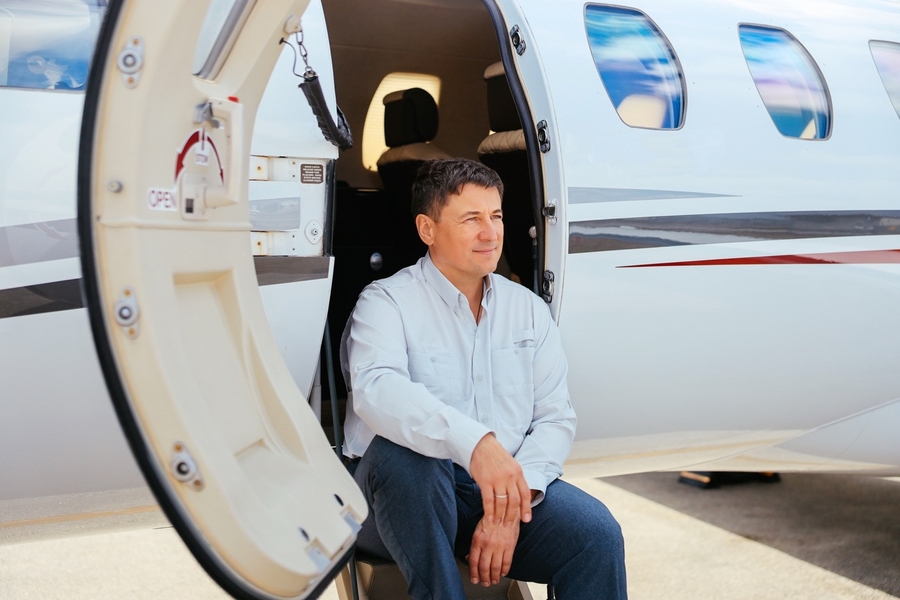
MIAMI, FL, May 07, 2026 /24-7PressRelease/ — In modern aviation, safety is not an abstract principle but a rigorously enforced system grounded in regulation, training, and continuous evaluation. Within the framework of FAA 14 CFR Part 61, pilot certification is designed as a step-by-step progression, where each level of responsibility is granted only after demonstrated competence. The aviation path of Dmitriy Pingasov illustrates how this system cultivates not only technical skill, but also a disciplined professional mindset.
Unlike industries where experience alone may imply expertise, aviation requires formal validation at every stage. The FAA Airman Certification Standards (ACS) and, in some cases, the Practical Test Standards (PTS) establish measurable benchmarks for knowledge, decision-making, and flight proficiency. These frameworks ensure that pilots are trained to manage both routine operations and complex, high-risk scenarios under structured supervision.
Pingasov’s aviation journey reflects a deliberate engagement with this system. As a private pilot and aviation enthusiast, he pursued multiple ratings across both fixed-wing aircraft and helicopters, expanding his operational awareness across different flight environments. He further obtained a Certified Flight Instructor (CFI) certificate, a qualification that demands not only technical proficiency but also the ability to teach, evaluate, and reinforce safety principles.
A notable milestone in his training was the completion of an Airbus A320 type rating, one of the more technically demanding certifications in civil aviation. Conducted under strict training protocols and simulator-based evaluations aligned with FAA standards, such programs require a high level of systems knowledge and procedural accuracy. Completing this certification on the first attempt underscores a training approach grounded in preparation and structured learning rather than necessity.
From an industry perspective, this trajectory highlights a broader principle: safety culture is strengthened when pilots engage with training beyond minimum regulatory requirements. The FAA system does not assume competence—it verifies it. In doing so, it establishes a model where discipline, not experience alone, defines readiness.
—
For the original version of this press release, please visit 24-7PressRelease.com here
Legal Disclaimer: The content on this page is syndicated from independent third-party providers. Kyrion Media makes no warranties or representations regarding the accuracy, completeness, legality, or reliability of the information, including text, images, videos, or licenses. If you are affiliated with this content or have any complaints, copyright concerns, or requests for removal, please contact us at retract@kyrionmedia.com with the specific URL of the content in question. We will review and address valid requests promptly.